The way to have a better life is to learn the difference between sensible and unfortunate supplements. The decisions we make have a profound effect on our welfare. Facilitating a few meaningful and nutritious changes in our food choices can have a profound effect on our well-being, prosperity, energy levels, and years of life. For example. . .
o Healthy proteins provide the amino acids our bodies expect to build and repair light weight (such as muscles, skin, hair and nails), and are low in saturated fat, cholesterol and synthetic substances. Major sources include wild salmon, beans, vegetables, soy products (tofu, tempeh, TVP), seeds (sunflower, pumpkin), nuts (pancakes, almonds, peanuts), and peanut butter.
o Unhealthy proteins packed with immersed fats, cholesterol, chemicals, or anti-microbials (such as hamburger, sheep, signal and frankfurter). While providing your body with the necessary amino acids, it also eases the passages and undermines your safe frame.
o Healthy fats are saturated fats (mono and poly), omega 3 and omega 6 saturated fats. Major sources of these oils include extra virgin olive oil, canola oil, ground flax seeds and pecans. They help your body with an anti-cancer agent of fat-solvent micronutrients such as elements A, E, D, and K, and lycopene.
o Unhealthy fats are saturated fats and trans unsaturated fats (trans fats), such as spreads and margarine. These fats add to heart disease, stroke, high cholesterol and fatty acids, high blood pressure and stiffness.
o Healthy starch is high in fiber and is considered a confusing carbs. Major sources include organic oats, brown rice, whole wheat, broccoli, squash, green leafy vegetables, yams, beans and all other natural products. This helps lower cholesterol, coordinate metabolism, regulate glucose levels and insulin levels, and reduce caloric intake.
o Unhealthy starch is high in sugar and is called basic carbs, such as sweets, white bread, cold drinks, frozen yogurt, cake and delicacies. These glucose levels of spike and insulin, as well as increased calorie intake (are seen as incomplete calories).
Dietary supplements that are rich in carcinogens, phytochemicals and fiber help the body to function properly, develop verbal prosperity and improve consistency. These ingredients additionally help fight and prevent heart disease, disease and diabetes, strengthen the immune system, slow down the maturation process, increase energy and work on mental functioning.
Also, as we grow older our appetite decreases, which makes it very important to choose food sources carefully. Whenever each piece is important, picking foods that have the most important nutritional profile is more important than ever.
The easiest way to solve your food choices is to look for shiny foods in the shade, because most of them contain very useful nutrients, minerals and phytochemicals. For example, red and red grapefruit have a phytochemical anti-phytochemical cell reinforcement called lycopene whereas white grapefruit does not. The following are seven basic steps you can take to begin eating.
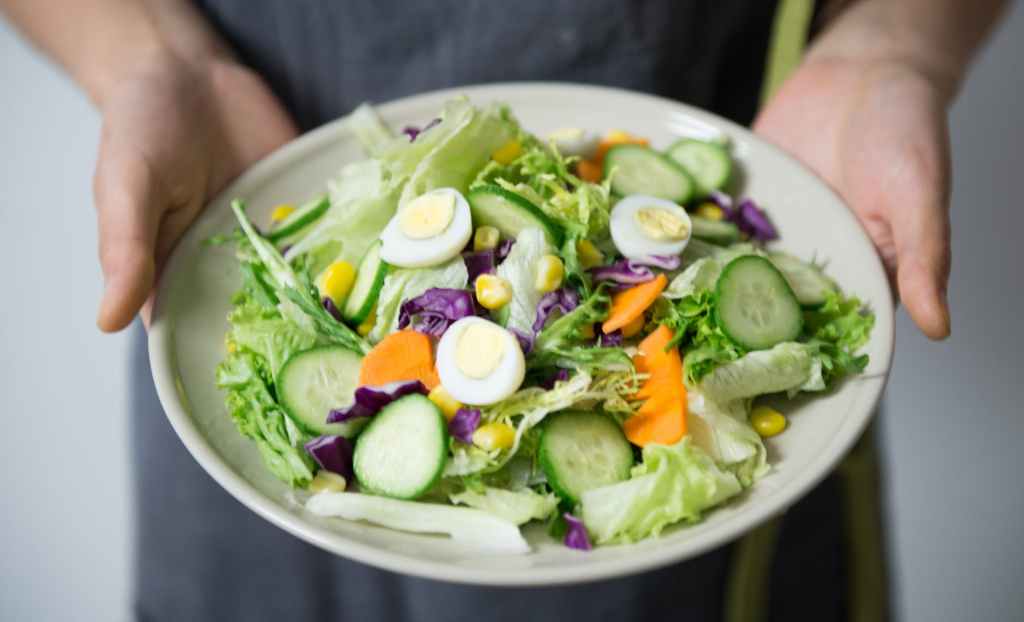
1. Switch from most cold lettuce to Roman lettuce. Romaine lettuce is rich in nutrients and minerals such as nutrients An and C, thiamine, riboflavin, calcium and potassium. In addition it has more fiber than most cold lettuce.
2. Eat brown rice instead of white rice. Earth-colored rice usually has more fiber and riboflavin, and less sugar than white rice. It is processed more slowly and more fully.
3. Switch from white bread to wheat or whole grain bread. Whole wheat and whole grain breads are high in fiber, iron and potassium. In each cut, they are more filling and filling than white bread.
4. Drink cold tea (black, green and natural) instead of cold drinks. Black, green and natural teas provide cancer prevention agents and phytochemicals that improve your health. Not at all like soft drinks, you can manage the sugar content while mixing your cool teas.
5. Choose whole grains or whole wheat oats instead of whole grains. All whole grain oats and whole wheat grains are usually high in protein, fiber, calcium, iron, vitamin A, thiamin, riboflavin, and niacin than cereal sugar cereals. Aside from having a little sugar, they are used for filling slowly. So you have more energy during the day and you will not move hungry immediately.
6. Switch cow’s milk to continuous soy milk. Soy milk has no cholesterol or chemicals, and is very low in immersed fats. It also provides isoflavones and other phytochemical chemicals that promote good health. Equally digested soy milk contains easy-to-store calcium, nutrients D and B6, and some even add cancer-fighting compounds (such as nutrients A, C, and E), folate and omega-3.
7. For dessert, have more natural frozen sorbet than frozen yogurt. The frozen natural product sorbet is low in fat and cholesterol and contains extra fiber. In addition it is packed with cells to strengthen the cells An and C, and contains beneficial phytochemicals.
To get started, try the sorbet formula developed by Monique N. Gilbert with a delightful health. It has no cholesterol, and is high in strengthening cells, phytochemicals and fiber.
Strawberry Orange Sorbet
1-1 / 2 cups frozen strawberries
1/3 cup pressed orange
1/3 cup hardened soy milk
2 tablespoons pumpkin in a tin
1 teaspoon honey
Stir in a food processor or blender for 1-2 minutes, until smooth and rich. Keep in a cool place until ready to be served.
Make about 2 servings
 health Ninja